How Bar NYC Venues Shape the City’s Nightlife Identity
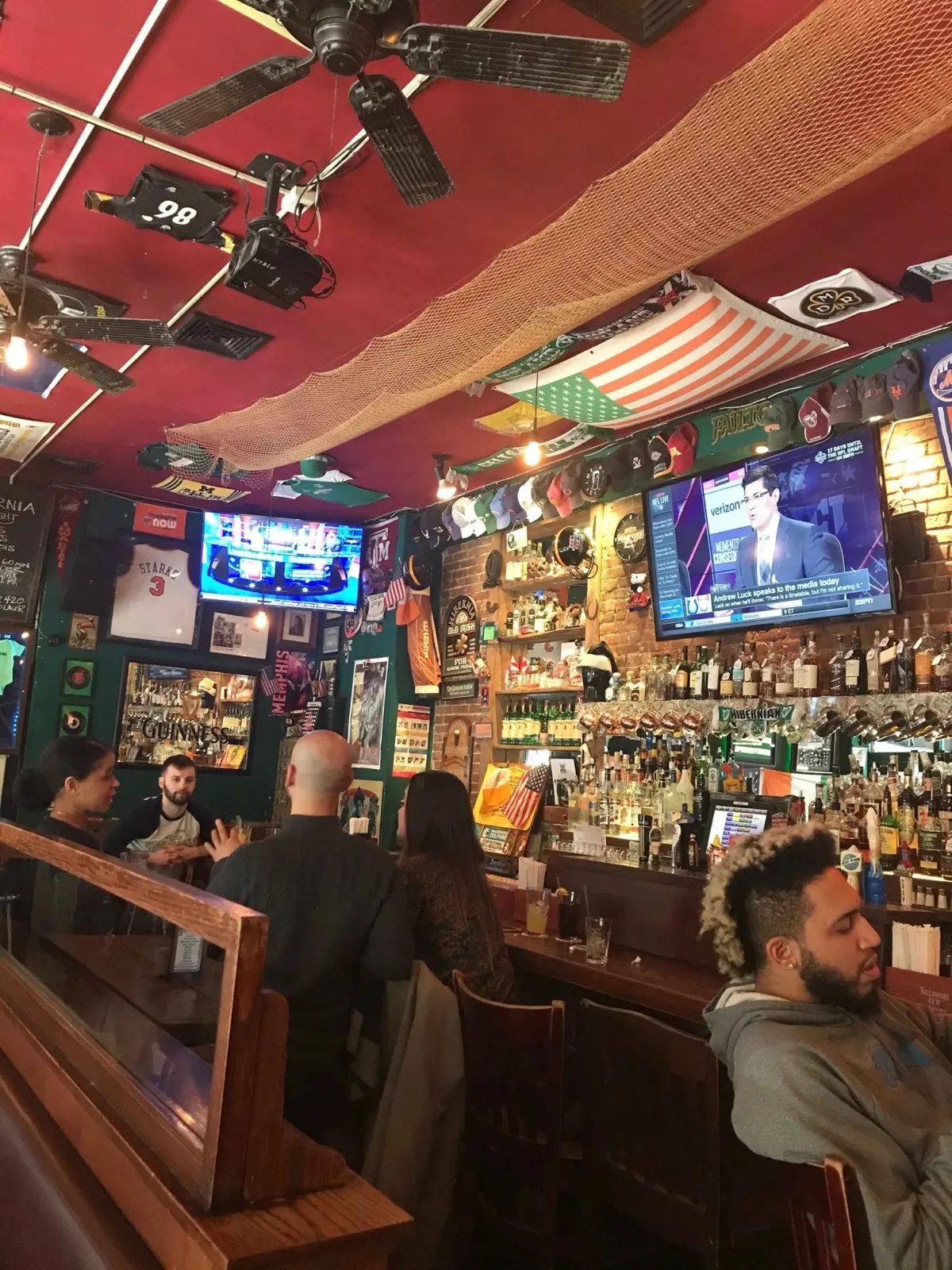
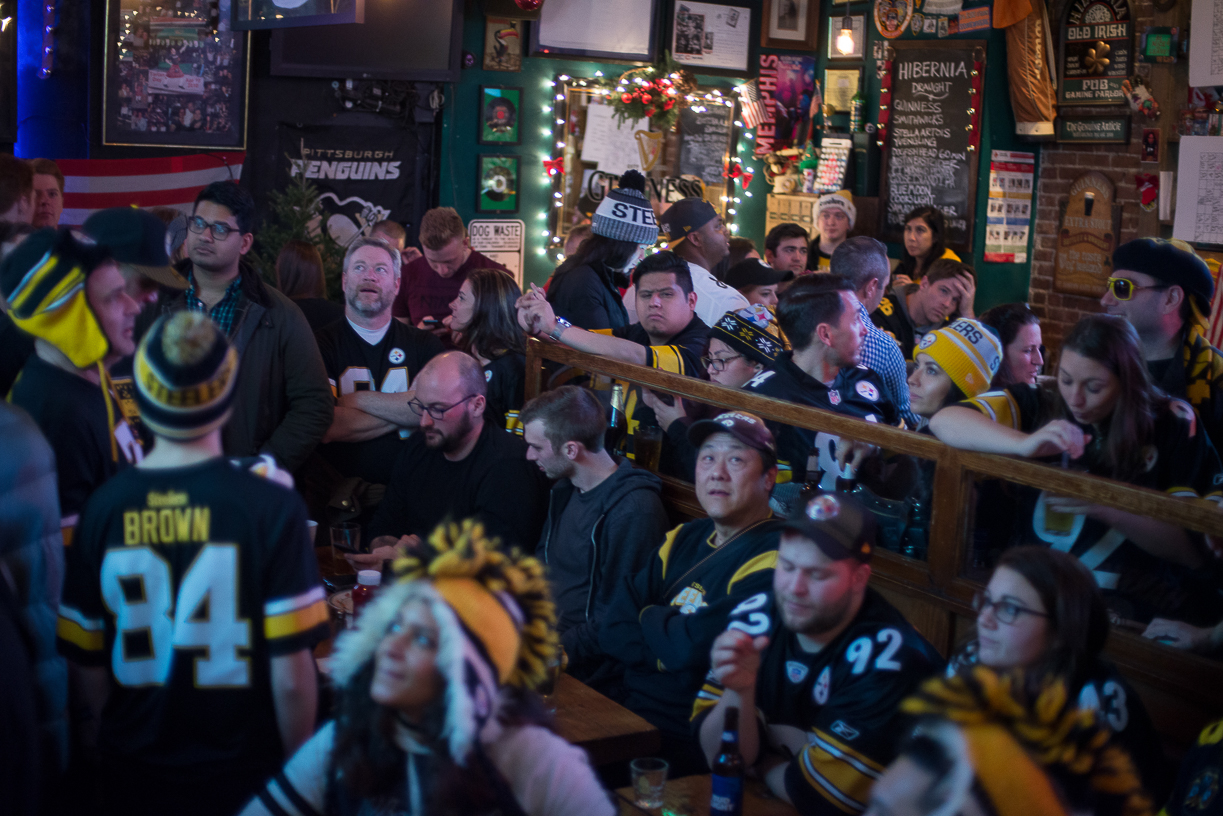
New York after dark has never been a single story. It is a patchwork of rituals, neighborhoods, ambitions, and moods, and few places reveal that better than its bars. A Bar NYC regular might see only a favorite stool, a trusted bartender, and a familiar pour. Step back, though, and those same venues start to look like civic institutions. They absorb migration, fashion, labor habits, real estate pressure, music trends, and class anxiety, then turn all of it into atmosphere. That atmosphere becomes identity, not just for the venue itself, but for the city.
People often talk about nightlife as entertainment, which is true but incomplete. Bars in New York do more than provide a place to drink. They set social codes. They decide whether a room feels democratic or exclusive. They tell residents and visitors what kind of city New York wants to be at a given moment, or what kind of city it fears it is becoming. You can read entire eras through bar design, pricing, music volume, dress expectations, and closing-time behavior.
That is why the phrase Bar NYC carries more weight than it seems to. It is not just a search term or a category on a maps app. It suggests a certain density of options, yes, but also a style of urban life in which bars help define movement through the city. Where do people meet after work? Where do musicians test a crowd? Where do new residents learn neighborhood etiquette? Where does hospitality turn into theater, and where does it stay stubbornly local? The answers shape New York’s nightlife identity as surely as skyline photos or subway maps do.
The bar as a neighborhood signature
Anyone who has spent real time going out across boroughs knows that New York does not have one nightlife culture. It has dozens. The East Village still carries traces of scrappy improvisation, even when rents fight that spirit. The Lower East Side can swing from dive bar grit to polished cocktail ambition in half a block. Williamsburg has long balanced warehouse after-hours energy with highly branded hospitality. Harlem, parts of Brooklyn, and western Queens each carry their own musical and social traditions that do not flatten easily into downtown narratives.
Bars translate those local differences into something people can feel immediately. Walk into a compact, cash-only place with a hand-lettered specials board and a bartender who already knows half the room, and the neighborhood reads one way. Walk into a soaring room with sculptural lighting, reservation management, and a back bar that looks curated for social media, and it reads another way. Neither is automatically more authentic. Both are signals.
The strongest venues understand that they are not decorating a room so much as editing a neighborhood story. A good operator pays attention to what the block sounds like at midnight, what nearby residents resent, where office workers spill out on Thursdays, how late kitchen traffic lasts, whether patrons arrive in groups or pairs, and what pace the sidewalk can absorb. In New York, bar identity is always in conversation with the street outside.
That relationship matters because neighborhoods in New York are not static brands. They are under constant revision. A bar can speed up that revision or resist it. Sometimes one successful venue makes a corridor feel safer, livelier, and more economically viable after dark. Sometimes a cluster of highly priced bars signals that a district is shifting away from its long-time base. Nightlife identity, then, is never just vibes. It is tied to who Bar NYC gets to remain visible and comfortable in a place after sunset.
New York’s bars teach people how to be in the city
Many urban habits are learned informally, and bars are part of that education. This is especially true in New York, where social space is limited, apartments are small, and public life often spills into commercial venues. Bars teach timing. They teach how to claim very little space without seeming timid, how to order efficiently when three people are waving for attention, how to read whether a room welcomes conversation with strangers or punishes it.
This may sound minor, but it is not. Cities depend on social choreography. In a well-run bar, you can watch strangers negotiate closeness, noise, eye contact, and patience in real time. A bartender can calm a room, speed it up, or give it a center of gravity. A host at the door can make a venue feel hospitable or hostile within seconds. Those interactions ripple outward. They affect whether people leave feeling energized by the city or exhausted by it.
New York bars also shape how different groups encounter one another. In many other places, nightlife can sort itself cleanly by age, profession, or income. New York does this too, of course, but the overlap is greater. A finance analyst, an actor waiting tables, a visiting architect, two union tradespeople, and a couple celebrating an anniversary can end up in the same room, even if only briefly. Sometimes that contact is superficial. Sometimes it changes how people imagine the city.
There is a reason regulars speak about certain bars with almost proprietary affection. They are not only attached to the drinks. They are attached to a social pattern that works. In a city where daily life can feel transactional, a bar that reliably produces warmth, flirtation, argument, music, or low-stakes belonging becomes part of a person’s map of survival.
The spectrum from dive to destination
It is tempting to frame New York nightlife as a battle between old dives and new concept bars. The reality is more interesting. The city needs both, and a healthy nightlife identity depends on the tension between them.
The classic dive, or the place that at least preserves some dive logic, offers a kind of anti-performance. Lighting is forgiving. Decor may be accidental. The menu is not trying to impress anyone. Prices, while rarely cheap by national standards anymore, may still sit low enough to support repeat visits. These venues often produce loyal communities because they make room for imperfection. You can arrive underdressed, distracted, or alone and still belong.
Destination bars operate differently. Their job is often to create occasion. They invest in design, glassware, sound, ingredient quality, and service training. At their best, they raise standards across the city. Many of the now-common expectations in cocktail culture, balanced drinks, serious ice programs, low-ABV options, thoughtful nonalcoholic menus, more informed spirits lists, became mainstream because some venues pushed hard on quality. That influence matters.
Problems arise when the destination model dominates too thoroughly. When every new place arrives with the same walnut tones, candlelit banquettes, and twelve-minute explanation of an infused spirit, the city begins to feel staged rather than lived in. New York loses something when bars stop reflecting local texture and start chasing the same polished template. The nightlife identity becomes expensive, controlled, and strangely interchangeable.
On the other hand, nostalgia can be lazy too. Not every old bar deserves preservation simply because it is old. Some have poor working conditions, weak products, or exclusionary cultures that people excuse as character. Experience teaches a useful rule here: what matters is not whether a bar is old or new, but whether it produces a distinctive social experience that feels anchored to New York rather than imported from a trend forecast.
Bartenders as cultural intermediaries
The bartender in New York is often misread. Popular culture turns the role into either a therapist cliché or a mixology performance. In reality, bartenders are among the most important interpreters of nightlife culture. They sit at the junction of hospitality, crowd management, neighborhood intelligence, and memory.
A seasoned New York bartender knows when a room is drifting toward trouble long before management notices. They know which regular tips heavily but monopolizes emotional bandwidth, which group from the office nearby will surge in after a product launch, and which first dates need a little pace control. They know how to keep service moving in conditions that would overwhelm less experienced teams. In some venues, a great bartender can carry the whole identity of the place. People do not say they are going out on West 4th or in Greenpoint. They say they are going to see someone behind the bar.
That matters because nightlife identity is relational. Guests remember a drink, but they remember recognition even more. New York can be emotionally cold on the surface. A bartender who says, “The usual?” or remembers that you prefer less citrus does more than personalize service. They create continuity in a city that often churns through residents, jobs, and leases at a brutal pace.
From an operator’s perspective, this is one of the hardest things to scale. Investors can fund interiors. Consultants can tune menus. Publicists can fill a room for six months. But the durable identity of a Bar NYC venue usually rests on front-line staff who understand both service and local culture. When that staff turns over too fast, the room may remain attractive, but the soul leaks out.
Music, sound, and the politics of volume
One underappreciated way bars shape nightlife identity is through sound. New York bars make powerful choices simply by deciding what people should hear and how loudly they should hear it. That decision influences not only mood but who stays, who leaves, and how people use the room.
A bar with low music and decent acoustics invites conversation. It becomes a place for dates, reunions, post-shift decompression, and accidental philosophy. A louder room pushes energy outward. Drinks move faster. Groups become the natural unit rather than pairs. The night extends toward momentum rather than intimacy.
The city’s best bars understand that volume is not just atmosphere. It is strategy. There is a practical side to this. If music is too loud too early, staff repeat themselves all evening and service quality drops. If it is too soft too late, a room can feel dead even when full. Some operators are excellent at shaping a night in phases, allowing a place to breathe at 6:30, build by 9:00, and turn kinetic after 11:00 without feeling manipulated.
Music selection has symbolic force too. It can tell guests whether the room is cosmopolitan, nostalgic, underground, tourist-facing, neighborhood-rooted, queer-coded, luxury-driven, or culturally borrowed. Done badly, the soundtrack feels generic, a stream of algorithmic cool. Done well, it gives the venue a pulse that people identify instantly. In New York, where so many venues fight for attention, a coherent sonic identity can be as important as a signature drink.
The economics behind the vibe
No serious discussion of nightlife identity can ignore economics. New York bars operate under punishing conditions. Rent, labor, insurance, licensing compliance, utilities, ingredient costs, and buildout debt all press on the final experience. That pressure shapes not only prices but also seating policies, reservation systems, menu design, and staffing levels.
When people complain that New York nightlife has become too managed, they are often reacting to economic adaptations. A venue that once could survive on walk-ins and moderate turnover may now depend on reservations, private events, or high-margin cocktails. Limited seating becomes monetized strategy. Time at the table gets watched more closely. The room starts to feel less like a neighborhood third place and more like a revenue engine.
That does not mean owners are cynical. Often, they are simply trying to keep the lights on. The hard truth is that many of the qualities people associate with great nightlife, spontaneity, generosity, unpredictability, require slack. They require enough financial breathing room to let a guest linger over one drink, to host a low-revenue live set, or to retain senior staff who stabilize the room. New York offers less slack than it used to.
This is one reason dive bars and modest neighborhood spots feel so endangered. Their cultural value to the city may be high, but their economic resilience is often low. Meanwhile, highly capitalized projects can absorb slower starts and expensive design mistakes. Over time, the city risks producing nightlife that looks vibrant in photos but serves a narrower slice of urban life.
Tourism, aspiration, and the performance of New York
Visitors arrive in New York with expectations, and bars help confirm or complicate them. Some want the cinematic Manhattan lounge, all shadow and glass. Some want a Brooklyn warehouse-adjacent room with natural wine and perfect playlists. Some want the old-school Irish pub, the dark wood cocktail den, the neighborhood spot where no one performs for outsiders.
The city profits from those fantasies, but it can also become trapped by them. A Bar NYC venue that exists mostly to stage New York for visitors may still be successful, even memorable. Yet there is a difference between a bar that channels the city’s energy and one that turns that energy into set dressing. Locals feel the distinction quickly. So do experienced travelers.
Still, tourism is not the villain. Some of New York’s most celebrated bars became institutions precisely because they welcomed visitors while retaining standards that locals respected. The real challenge is balance. A venue can serve as an entry point into the city without sanding away all its particularity. In fact, the best ones do exactly that. They let a visitor feel they have touched something real, even if only for two hours.
Aspirational nightlife plays a role too. New York has always sold ambition, and bars are one of the places where that ambition becomes visible. Promotions are toasted. Careers are networked. Status is displayed. Sometimes the room hums with possibility. Sometimes it feels strained and transactional. Either way, the city’s mythology of reinvention lives strongly at the bar. People come to be seen, but also to imagine themselves becoming someone else.
Inclusion, exclusion, and who the night belongs to
Nightlife identity sounds glamorous until you ask a basic question: who gets welcomed, and on what terms? Bars draw lines constantly. Some are obvious, dress codes, reservation barriers, door policies. Others are subtler, price points, playlist choices, staff attitude, interior cues, neighborhood geography, and whether solo guests feel tolerated or embraced.
New York’s bar scene has historically created refuge as well as hierarchy. LGBTQ+ bars, Black-owned venues, immigrant-run taverns, workers’ bars, women-led cocktail rooms, and artist hangouts have all shaped the city by creating social safety where mainstream hospitality often failed. Their importance cannot be reduced to market segmentation. They gave people room to gather publicly on their own terms.
At the same time, nightlife has often mirrored the city’s inequities. Gentrification can recode a neighborhood’s night scene faster than daytime life changes. A new cluster of bars may announce itself as revitalization while quietly narrowing who feels at ease on the block. Cover charges, inflated cocktail prices, and curated door energy can transform access without ever saying so directly.
Experienced operators know this is not only a moral issue but a strategic one. The most compelling nightlife districts tend to have range. They contain places for different budgets, identities, ages, and tempos. When a nightlife ecosystem grows too exclusive or too homogenous, it becomes brittle. It loses the improvisational energy that made New York famous in the first place.
Why small details become citywide signals
A barstool height, the brightness of a bathroom mirror, whether the kitchen stays open past ten, whether the mocktail list is an afterthought, whether coats pile safely or chaotically, these sound like narrow operational details. In New York, they become signals that travel by word of mouth faster than paid marketing.
People build a city’s nightlife reputation from these fragments. They tell friends that a place is generous, stiff, welcoming, loud, overpriced, flirtatious, fussy, unpretentious, worth the wait, no longer worth the wait. Over time, hundreds of these small judgments shape what “going out in New York” means in practical terms.
This is where the identity of the city remains surprisingly fragile. Hibernia Bar Bar NYC If enough venues become overpriced and emotionally indifferent, the city starts to feel like a machine with cocktails. If enough places hold onto warmth, idiosyncrasy, and standards without punishing people for not being rich or fashionable, New York still feels like New York.
The strongest bars understand their role in that equation. They are not simply chasing occupancy. They are building trust, and trust is what turns nightlife into culture.
What the future of Bar NYC may look like
The next chapter of Bar NYC culture will probably be defined less by grand novelty than by adaptation. Operators are already adjusting to changing alcohol habits, stronger interest in nonalcoholic drinks, tighter neighborhood scrutiny, and guests who want quality without theatrical excess. That shift could be healthy. The era of overdesigned sameness may be giving way to something more grounded.
There is also renewed interest in bars that can function across occasions. The places likely to matter most are those that work at 6:00 p.m. For one kind of guest and at midnight for another, without losing coherence. Flexibility is now part of identity. So is sincerity. Guests are increasingly good at spotting concepts that are all surface.
If New York gets this right, its bars will continue to anchor nightlife not by imitating a legacy era, but by preserving the city’s essential traits: density, surprise, friction, hospitality, ambition, and the chance encounter. That is the real nightlife identity people come looking for, whether they realize it or not.
A city reveals itself at the bar because the bar compresses urban life into a single room. Money and loneliness, style and fatigue, performance and honesty, all of it arrives at once. In New York, that compression is especially intense. The venues that handle it best do more than serve drinks. They shape how the city feels to live in, how it remembers itself, and how the night keeps telling its story.
Hibernia Bar
401 W 50th St
New York, NY 10019
(212) 969-9703
FAQ About Bar NYC
What is there to do in Hell's Kitchen, NYC?
Explore the restaurants and bars along Ninth Avenue, catch a Broadway show nearby, or visit the Intrepid Museum on the Hudson River. Hibernia Bar is at West 50th Street and Ninth Avenue, a convenient stop before or after a show.
What are some bars in New York City that serve good food?
Hibernia Bar in Hell's Kitchen serves wings, burgers, fish and chips, and shepherd's pie. Its kitchen lists a 2 a.m. closing time, which makes it an option for dinner after a show or a game.
How far is Hell's Kitchen from Times Square?
Hell's Kitchen is just west of Times Square. From Broadway and West 45th Street, Hibernia Bar is roughly 0.6 miles away, or about a 12-minute walk depending on crowds.